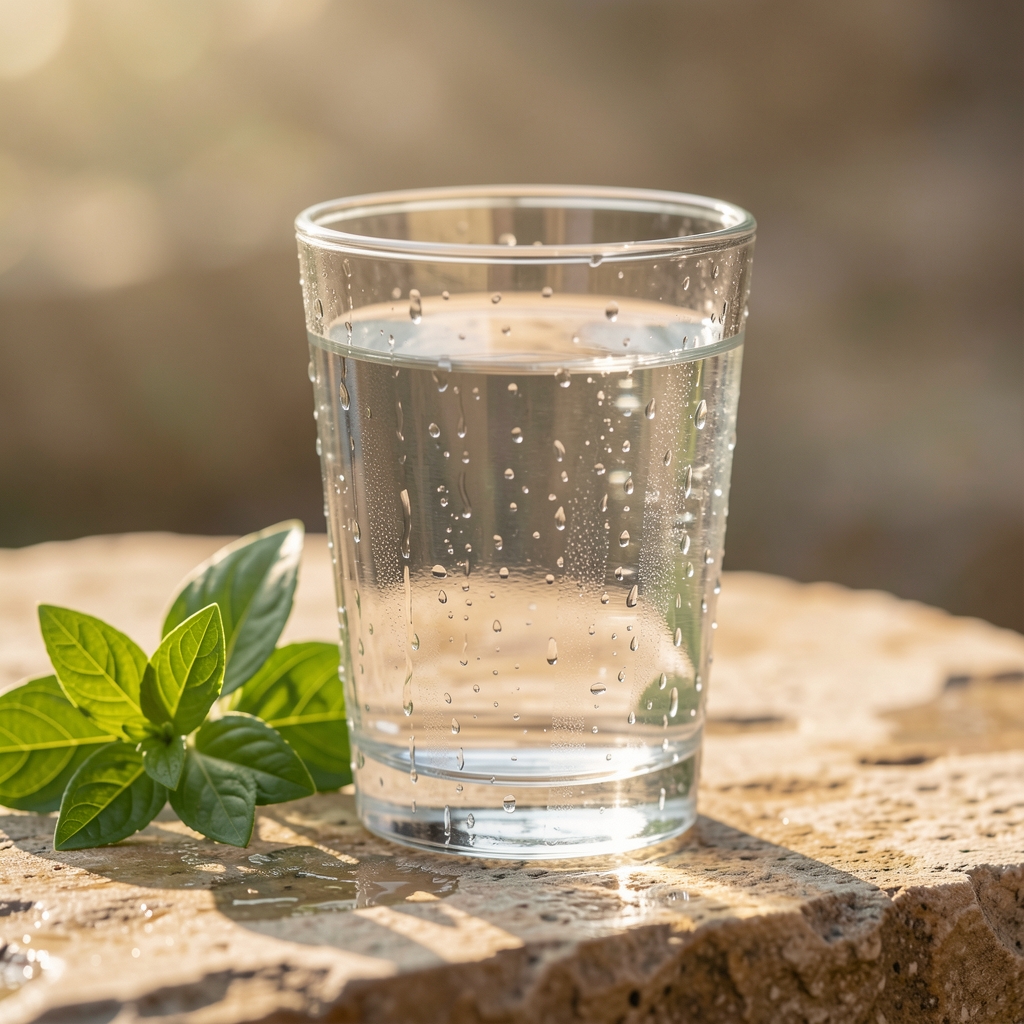
Water is among the most fundamental requirements for sustained biological function. Despite its simplicity as a substance, its role within the human body is extraordinarily complex and wide-ranging. For men seeking a grounded understanding of what supports general daily vitality, hydration represents one of the most consistently cited and universally applicable contexts. This article explores the general principles of fluid balance, the biological significance of water, and the contextual factors that shape individual hydration patterns.
Physiological Functions of Water
The adult human body is composed of approximately 55 to 65 percent water, with variation depending on factors such as body composition and age. This water is distributed across cellular, intercellular, and vascular compartments, each performing distinct physiological roles.
Among the most broadly recognised functions of water in the body are the following:
- Nutrient transport: Water serves as the primary medium through which nutrients from food are carried to cells throughout the body. The blood, which is largely water-based, facilitates this distribution continuously.
- Temperature regulation: The body regulates its core temperature in part through perspiration — the evaporation of water from the skin surface dissipates heat, a mechanism that becomes especially significant during physical activity or exposure to warm environments.
- Metabolic processes: Water participates in or enables a large number of chemical reactions that constitute cellular metabolism. Adequate hydration supports the conditions in which these reactions proceed efficiently.
- Waste removal: Water is the primary medium through which metabolic by-products are excreted via the kidneys, lungs, and skin. Sustained fluid intake supports the continuous clearance of these materials from the body.
- Joint and tissue lubrication: Synovial fluid, which lubricates the body's joints, is water-based. Adequate hydration contributes to the maintenance of these fluid volumes.
Understanding Fluid Balance
The concept of fluid balance describes the relationship between water intake and water loss over a given period. The body continuously loses water through urination, breathing, perspiration, and digestive processes. To maintain physiological function, this lost fluid must be replenished through intake — primarily through beverages and to a lesser extent through water present in food.
The body has several mechanisms for regulating fluid balance. The sensation of thirst, mediated by the hypothalamus, serves as a basic signal that fluid levels have dropped below a comfortable threshold. Changes in urine colour and concentration provide another indication of hydration status — pale, straw-coloured urine generally reflects adequate hydration, while deeper yellow tones often indicate that additional fluid intake would be beneficial.
It is worth noting that thirst is not always a reliable early indicator of declining hydration, particularly in older adults or during periods of significant physical exertion, when fluid losses can outpace the onset of the thirst sensation. In these contexts, a more proactive approach to fluid intake may be relevant.
Contextual Factors Influencing Hydration Needs
While general frameworks for daily fluid intake are widely discussed, individual hydration needs are shaped by a constellation of contextual factors that resist universal prescription.
Climate and Ambient Temperature
In tropical and hot climates — including much of Indonesia, where temperatures and humidity levels can be persistently high — the body's thermoregulatory mechanisms operate at increased intensity. Sweating rates are elevated simply as a consequence of ambient conditions, even without physical exertion. Residents of such climates may find that their fluid requirements differ substantially from those described in general frameworks developed in temperate climates.
Physical Activity Levels
Physical activity increases metabolic rate and body temperature, triggering perspiration as a cooling mechanism. The volume of fluid lost during physical activity depends on the intensity and duration of the activity, the ambient temperature and humidity, and the individual's own physiological characteristics. Replacing fluid lost during activity is a broadly recognised practice within physical well-being frameworks.
Dietary Composition
Foods vary significantly in their water content. Fruits, vegetables, and many cooked grains contain substantial amounts of water, contributing meaningfully to total daily fluid intake. Diets that are higher in these foods may provide a greater baseline of hydration through food alone, compared to diets dominated by lower-moisture foods. Beverages beyond water — including herbal teas, broths, and fruit-based drinks — also contribute to total fluid intake, though their overall composition varies.
Practical Hydration Routines
Across a broad range of lifestyle frameworks and cultural traditions, certain hydration-related habits appear consistently as elements of supportive daily routine. These include:
- Beginning the day with fluid intake shortly after waking, as the body has not received water during the sleeping hours.
- Distributing fluid intake across the waking day rather than concentrating it at particular mealtimes.
- Adjusting intake in response to changes in activity level, environmental heat, or perceived thirst signals.
- Choosing water and other low-modification beverages as primary sources of fluid.
These are not prescriptive guidelines but rather descriptive observations of patterns that recur across diverse frameworks for understanding daily physical well-being.
Water's role in human physiology is not dramatic or visible, but it is continuous and foundational — present in every process, from the simplest cellular exchange to the most complex metabolic sequence.
Hydration Within the Broader Context of Well-Being
Hydration is best understood not as an isolated variable but as one element within a broader web of factors that together support general physiological function. Its relationship with sleep quality, physical performance, cognitive clarity, and general energy levels has been explored in numerous general research contexts. These associations reflect the pervasive nature of water's role in biological processes — when any foundational element is present in adequate quantity, the systems it supports operate more smoothly; when it is consistently deficient, the effects tend to be broad rather than narrow.
For men living in warm and physically active environments, hydration awareness represents a particularly relevant element of general physiological self-understanding — not because of specific outcomes it promises, but because of the central role it plays in the biological processes that underpin daily function.